How to Flush a Water Heater and Why It’s Important for Maintenance
Table of Contents
- Introduction
- Why Flushing a Water Heater Matters
- Signs Your Water Heater May Need Flushing
- How to Flush a Water Heater: Step-by-Step Guide
- Safety Considerations Before You Begin
- Tank vs. Tankless Water Heaters: Key Differences
- How Flushing Supports Energy Efficiency and Longevity
- When to Contact a Licensed Plumber in Knoxville, TN
- Conclusion
- Book a Water Heater Service
- Frequently Asked Questions
Key Takeaways
- Flushing a water heater removes sediment buildup that can affect performance.
- Routine maintenance helps maintain energy efficiency and consistent hot water supply.
- Most tank water heaters benefit from annual flushing, depending on water quality.
- Mineral accumulation is more common in areas with hard water.
- Professional evaluation may be appropriate if there are signs of corrosion or mechanical issues.
Introduction
Flushing a water heater involves draining the tank to remove sediment buildup, and it is an important part of maintaining efficient and reliable hot water in your home. For homeowners in Knoxville, TN, routine maintenance can help prevent performance issues caused by mineral accumulation and extend the functional lifespan of the system.
Over time, minerals such as calcium and magnesium settle at the bottom of a tank-style heater. Without periodic flushing, this buildup may reduce heating efficiency, increase energy use, and contribute to wear on internal components. Understanding how to flush a water heater properly supports informed maintenance decisions and helps reduce unexpected repair needs.
Why Flushing a Water Heater Matters
Sediment accumulation is a natural result of heating water, particularly in areas with hard water. When water is heated repeatedly, dissolved minerals separate and settle at the base of the tank.
This buildup can:
- Reduce heating efficiency
- Create rumbling or popping noises
- Contribute to corrosion inside the tank
- Increase strain on heating elements
Flushing a water heater removes much of this sediment, allowing the system to operate more efficiently. In households with higher hot water usage—such as homes with children or multiple occupants—routine maintenance becomes even more important.
For homeowners who rely on hot water daily for bathing, cleaning, and cooking, consistent performance matters.
Signs Your Water Heater May Need Flushing
While annual maintenance is commonly recommended, certain signs may indicate the need for flushing sooner.
Discolored or Rust-Colored Water
Sediment or internal corrosion may cause water to appear cloudy or tinted.
Unusual Noises
Rumbling, cracking, or popping sounds often result from hardened mineral deposits heating and shifting inside the tank.
Inconsistent Water Temperature
If hot water runs out faster than usual, sediment may be limiting heating efficiency.
Increased Energy Bills
Reduced efficiency may cause the unit to work harder to heat the same amount of water.
If these issues persist, professional inspection may be appropriate, especially if repairs are needed in addition to maintenance.
How to Flush a Water Heater: Step-by-Step Guide
Understanding how to flush a water heater can help homeowners decide whether to perform basic maintenance themselves or consult a licensed professional. Below is a general overview of the process for a standard tank-style unit.
Step 1: Turn Off the Power or Gas Supply
- For electric heaters, switch off power at the breaker.
- For gas heaters, turn the thermostat to the “pilot” setting.
Safety is essential to prevent heating elements from activating while the tank is empty.
Step 2: Shut Off the Cold Water Supply
Locate the cold water inlet valve above the unit and turn it off.
Step 3: Allow the Water to Cool
Hot water inside the tank can cause burns. Waiting several hours before draining is advisable.
Step 4: Connect a Garden Hose to the Drain Valve
Attach a hose to the drain valve at the base of the tank. Direct the hose to a floor drain or suitable outdoor area.
Some homeowners may consider redirecting discharge water into a greywater system for landscape use. However, local regulations and water quality considerations should be reviewed before doing so.
Step 5: Open the Drain Valve
Carefully open the valve to allow water and sediment to flow out. Opening a nearby hot water faucet can help relieve pressure and improve drainage.
Step 6: Flush with Fresh Water
After initial draining, briefly turn the cold water supply back on to stir remaining sediment. Continue draining until the water runs clear.
Step 7: Close the Valve and Refill the Tank
Close the drain valve securely. Restore the cold water supply and allow the tank to refill completely before turning the power or gas back on. Ensuring the tank is full before restoring power helps prevent damage to heating elements.
Safety Considerations Before You Begin
Flushing a water heater involves hot water, pressure, and mechanical components. We recommend reviewing the manufacturer’s manual before beginning any maintenance.
Additional precautions include:
- Wearing gloves to protect against hot discharge
- Ensuring proper drainage to prevent flooding
- Inspecting the drain valve for leaks or wear
- Checking for signs of corrosion around fittings
If the drain valve is clogged, leaking, or difficult to operate, professional assistance may be appropriate.
Tank vs. Tankless Water Heaters: Key Differences
Not all systems require the same maintenance approach.
Tank-Style Water Heaters
Traditional units store heated water in a tank. These systems commonly require flushing to remove sediment from the base of the tank.
Tankless Water Heaters
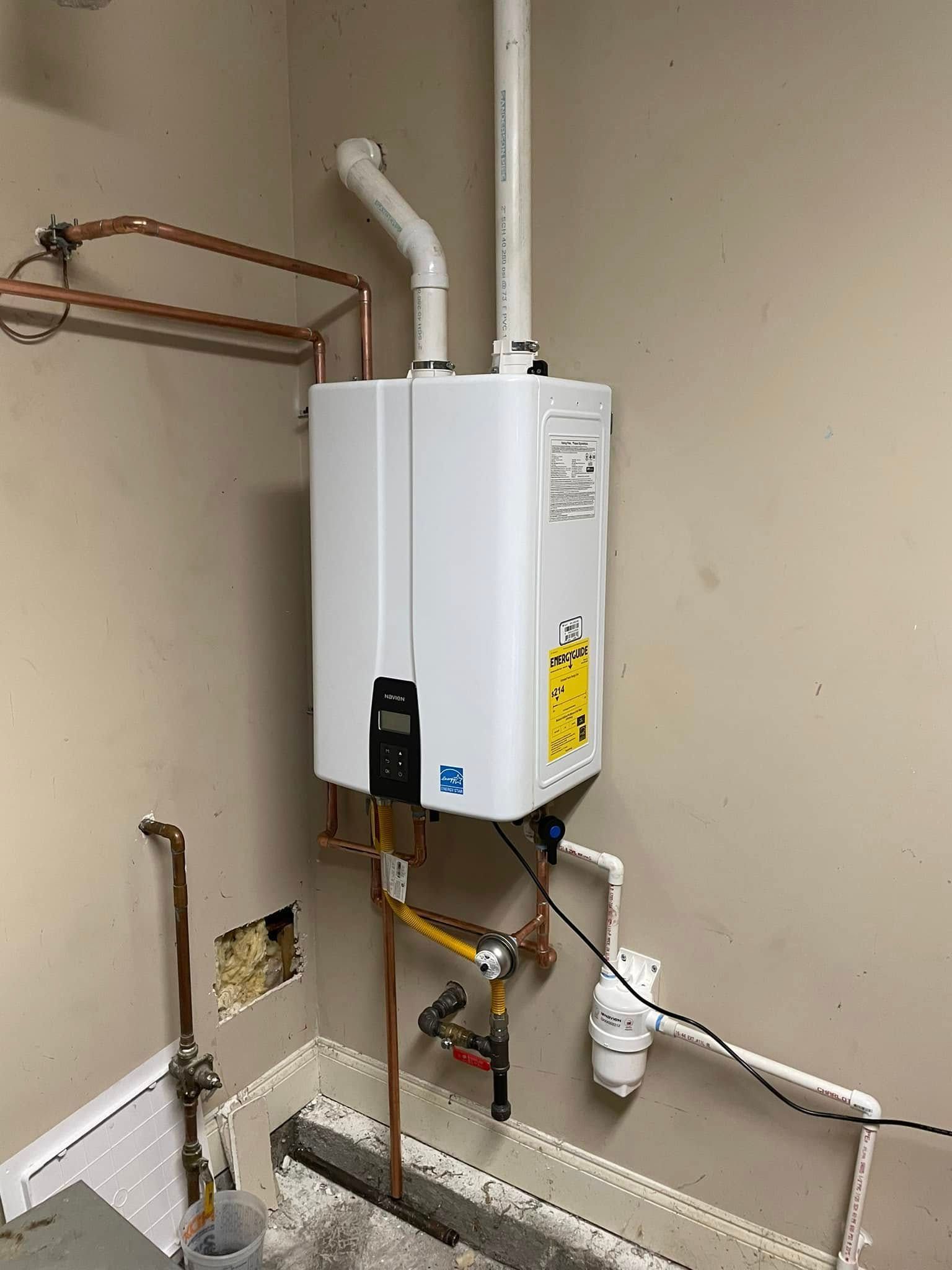
Tankless systems heat water on demand and do not store large volumes. However, mineral scaling can still occur inside internal heat exchangers.
Tankless systems typically require descaling using a circulation pump and cleaning solution. For homeowners considering upgrades, resources about Old Town Plumbing’s tankless water heater installation services may help clarify long-term maintenance considerations.
Each system type has distinct service requirements, and professional evaluation may help determine the best schedule for your home.
How Flushing Supports Energy Efficiency and Longevity
Sediment acts as an insulating layer between the burner or heating element and the water. This forces the system to work longer to achieve the desired temperature.
Routine flushing may help:
- Maintain consistent heating performance
- Reduce unnecessary energy consumption
- Limit internal corrosion
- Decrease stress on mechanical components
Over time, these factors contribute to system durability. However, maintenance does not eliminate normal wear and aging.
In some cases, if sediment buildup has already caused damage, water heater repair may be necessary to restore safe operation.
When to Contact a Licensed Plumber in Knoxville, TN
While many homeowners are comfortable performing basic maintenance, certain situations require professional evaluation:
- Water leaking from the tank base
- Corrosion on fittings or valves
- Persistent temperature fluctuations
- Drain valve failure
- Units older than 8–12 years showing performance decline
In Knoxville, TN, water hardness levels can influence the frequency of maintenance. A licensed plumber can assess sediment levels, inspect internal components, and recommend an appropriate schedule.
Professional service also helps ensure compliance with manufacturer guidelines, which may affect warranty coverage.
Conclusion
Learning how to flush a water heater supports responsible home maintenance and helps reduce the effects of sediment buildup. Routine flushing can improve heating efficiency, support consistent hot water delivery, and help limit strain on internal components.
Understanding system type, safety precautions, and local water conditions allows homeowners to make informed decisions about maintenance frequency. When mechanical concerns arise, professional evaluation may help prevent further complications.
Book a Water Heater Service
If you prefer professional guidance for flushing a water heater or need evaluation for water heater repair, we provide clear, straightforward plumbing services in Knoxville, TN. At
Old Town Plumbing, we focus on accurate assessments, transparent communication, and practical solutions for homeowners seeking reliable hot water system support. You may contact us at
(314) 363-6554 or email
molly.porfidio@gmail.com to discuss your project and understand the next steps.
Frequently Asked Questions
How often should I flush my water heater?
Most tank-style water heaters benefit from flushing once per year. Homes with hard water may require more frequent maintenance depending on sediment accumulation.
Can flushing a water heater fix low hot water pressure?
Flushing may improve performance if sediment buildup is restricting internal components. However, low pressure can also result from plumbing issues outside the heater.
Is flushing a water heater safe to do myself?
Many homeowners can perform basic flushing if they follow manufacturer instructions and safety precautions. If the unit shows signs of corrosion or mechanical issues, professional assistance is advisable.
Does a tankless water heater need flushing?
Tankless systems require periodic descaling to remove mineral buildup inside the heat exchanger. The process differs from flushing a traditional tank system.
What happens if I never flush my water heater?
Over time, sediment accumulation can reduce efficiency, increase energy consumption, and contribute to internal wear. Routine maintenance helps manage these risks, though it does not eliminate normal aging.
Related Posts