Tankless Water Heater Installation in Knoxville, TN: What Homeowners Need to Know
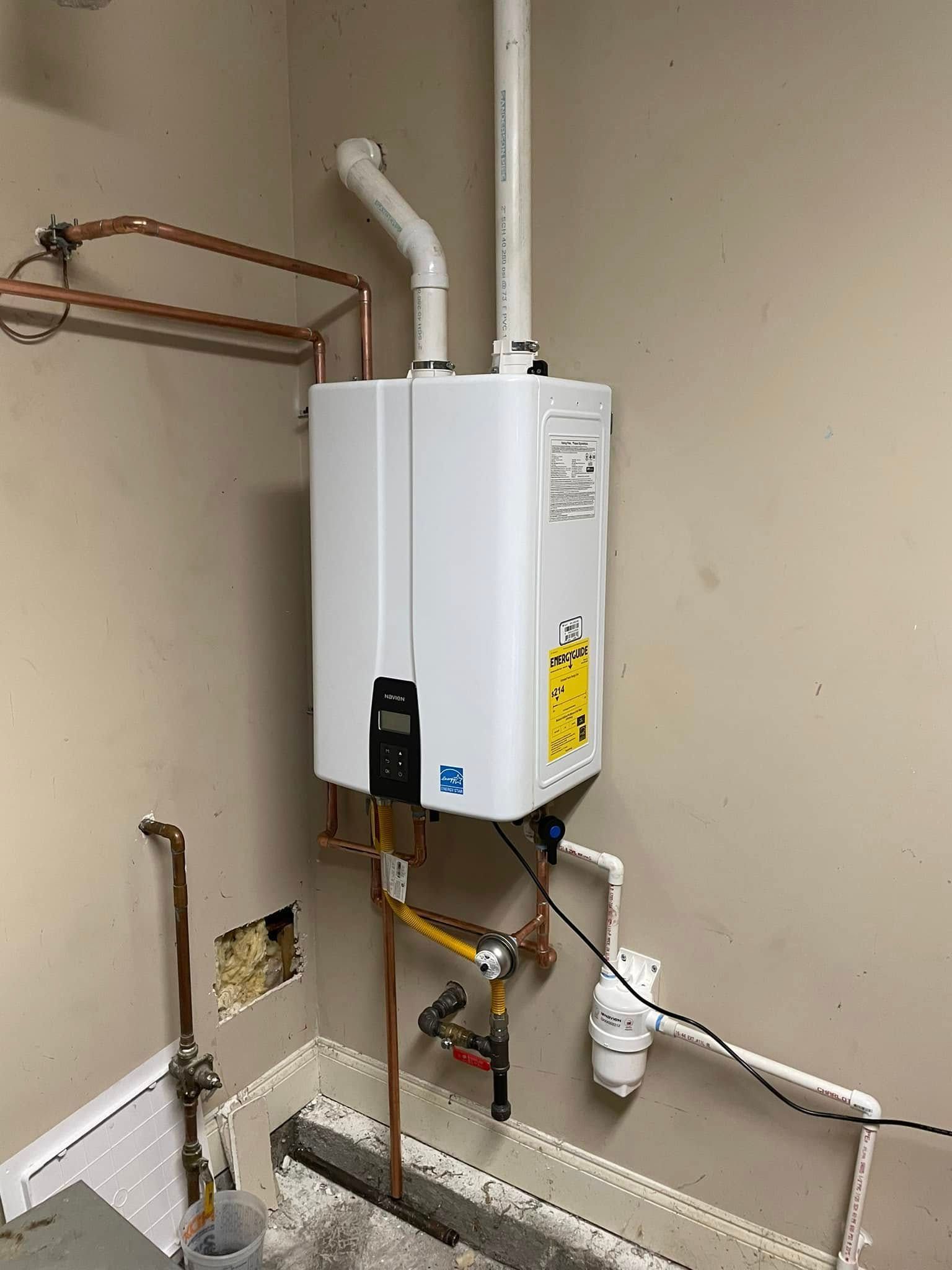
Table of Contents
- How Does a Tankless Water Heater Work?
- Key Benefits of Going Tankless in Knoxville
- What to Consider Before Installation
- What Does the Installation Process Involve?
- Understanding Tankless Water Heater Costs and Benefits
- Maintenance Requirements for Long-Term Performance
- Conclusion
- Schedule a Tankless Water Heater Consultation
- Frequently Asked Questions
Key Takeaways
- Tankless water heaters provide hot water on demand, reducing energy use compared to traditional storage tanks.
- Installation may require a gas line, electrical panel, or venting upgrades in Knoxville homes.
- Proper sizing for peak household demand ensures optimal performance.
- Tankless units last 15–20 years with regular maintenance, longer than traditional tanks.
- Licensed plumbers can assess your home for infrastructure needs and code compliance.
Introduction
A tankless water heater installation in Knoxville, TN can offer homeowners reliable hot water and lower energy costs. Unlike traditional storage tanks that maintain water temperature constantly, on-demand water heaters only heat water when needed.
Before deciding, consider your household’s water use, plumbing setup, and budget. Knoxville’s water hardness, seasonal temperature changes, and the age of many homes can influence system performance and preparation required for installation. This guide walks through how tankless systems work, the installation process, costs, and maintenance tips.
How Does a Tankless Water Heater Work?
A tankless water heater, or on-demand water heater, heats water as it flows through the unit rather than storing it. When a tap is turned on, cold water enters the heater and is rapidly warmed by a gas burner or electric element before reaching the faucet.
This avoids the standby heat loss seen in traditional tanks that continuously reheat stored water.
Gas vs. Electric Tankless Units
| Type | How It Works | Common Use Case |
|---|---|---|
| Gas (natural gas or propane) | Burner heats water instantly | Whole-home, high-demand households |
| Electric | Heating elements activate on demand | Point-of-use, smaller homes |
Gas units handle higher flow rates, suitable for multiple simultaneous fixtures. Electric units are easier to install but may need electrical upgrades in older Knoxville homes. Professional installation is required for both types to meet building codes.
Key Benefits of Going Tankless in Knoxville
Energy Efficiency
Tankless water heaters only operate when water is used, avoiding the constant energy draw of storage tanks. Homes using 41 gallons or less daily can see 24–34% energy savings according to the U.S. Department of Energy. Actual savings vary by usage, unit size, and maintenance.
Longer Lifespan
Tankless units last 15–20 years with proper maintenance, compared to 8–12 years for traditional tanks, making the higher upfront cost worthwhile for many homeowners.
Space Savings
Wall-mounted and compact, tankless systems use just 2–3 square feet, ideal for Knoxville homes with limited utility closet, basement, or crawl space areas.
Continuous Hot Water Supply
Water is heated on demand, so running out during back-to-back showers is unlikely, assuming the unit is sized for peak demand.
What to Consider Before Installation
Sizing and Flow Rate
Proper sizing is critical. A small unit cannot handle multiple fixtures simultaneously. Sizing considers:
- Temperature rise: Difference between incoming water temperature and desired output. Knoxville’s winter water can require higher rises.
- Peak flow rate (GPM): Total gallons per minute needed by your household.
A licensed plumber calculates these before recommending a unit.
Infrastructure Requirements
Older Knoxville homes may need:
- Gas line upgrades: Larger pipes for high-output units.
- Venting: Proper venting to the exterior for gas units.
- Electrical panel capacity: Electric units may require upgrades.
- Water softening: Prevents mineral scale buildup.
Infrastructure upgrades affect overall cost and project timeline.
What Does the Installation Process Involve?
- Pre-installation assessment: Plumber checks current water heater, gas/electrical systems, venting, and wall space.
- Permit and code review: Permits obtained through the City of Knoxville or Knox County; installation meets Tennessee codes.
- Old unit removal: Existing water heater drained and disconnected safely.
- Infrastructure upgrades: Any needed gas, venting, or electrical work completed.
- Unit installation: Tankless heater mounted and connected to water, fuel, and venting.
- System testing: Flow rate, temperature, and connections checked.
Typical installation takes 4–8 hours; complex upgrades may require additional time or follow-up visits.
Understanding Tankless Water Heater Costs and Benefits
Upfront Costs
- Unit cost (gas or electric)
- Labor for installation
- Infrastructure modifications
- Permit fees
Costs vary based on unit choice and any required home upgrades. A detailed written estimate from a licensed plumber is essential.
Long-Term Savings
- Lower energy bills from no standby heat loss
- Longer lifespan than tank heaters
- Potential federal tax credits for ENERGY STAR units
Limitations
- Higher initial cost than direct tank replacements
- Performance can suffer if undersized for peak demand
- Requires regular descaling and maintenance
- Older homes may need major upgrades
Maintenance Requirements for Long-Term Performance
Annual Descaling
Mineral scale can build up in the heat exchanger, reducing efficiency. Professional descaling flush recommended once per year.
Filter Cleaning
Clean the inlet filter every 6–12 months depending on local water quality.
Professional Inspection
Annual check of burners, venting, gas connections, and safety valves keeps your warranty valid and prevents costly repairs.
Tip: Track installation date, model number, and service history for maintenance reminders.
Conclusion
A tankless water heater installation is more than a simple replacement—it is a strategic home upgrade. Knoxville homeowners benefit from on-demand hot water, longer unit lifespan, and energy savings, but upfront costs and infrastructure requirements may influence the decision. A licensed plumber’s pre-installation assessment ensures you choose the right system and understand all associated costs.
Schedule a Plumbing Repair Assessment
Thinking about a tankless water heater installation in Knoxville? Book a consultation with a licensed plumber to evaluate your home’s needs, estimate costs, and discuss on-demand water heater options. Our experts provide honest advice, transparent pricing, and professional installation to ensure long-lasting performance. You may contact us at 314-363-6554 or email molly.porfidio@gmail.com to discuss your project and understand the next steps.
Frequently Asked Questions
Can a tankless water heater handle multiple showers at once?
Yes, if sized correctly. Undersized units may struggle during peak usage. Proper flow rate and temperature rise calculation is essential.
How long does installation take?
Standard installation takes 4–8 hours. Upgrades like gas lines, venting, or electrical work may extend the timeline.
Do I need a permit in Knoxville, TN?
Yes. Most installations require permits. A licensed plumber handles paperwork and ensures code compliance.
How often does a tankless water heater need service?
Annual service is recommended, including descaling and filter inspection. Hard water may require more frequent maintenance.
Is a tankless water heater worth the cost?
It depends on household hot water use, infrastructure, and long-term plans. Professional assessment helps determine value.
Related Posts