How Plumbing Installation Is Done in New Construction and Remodel
Table of Contents
- Introduction
- Understanding Plumbing Installation in Construction Projects
- Planning and Design Before Pipe Installation
- Plumbing Installation in New Construction
- Underground and Rough-In Phase
- Water Supply and Drain-Waste-Vent Systems
- Fixture Installation and Final Connections
- Plumbing Installation in Remodels
- Evaluating Existing Systems
- Modifying and Rerouting Pipes
- Code Compliance and Upgrades
- Inspections and Code Requirements in Knoxville, TN
- Residential vs Commercial Plumbing Installation
- Common Risks and Considerations
- Conclusion
- Book a Plumbing Installation Service
- Frequently Asked Questions
Key Takeaways
- Plumbing installation begins with detailed planning and layout design.
- New construction and remodel projects follow similar steps but differ in complexity.
- Pipe installation includes water supply lines, drain-waste-vent systems, and fixture connections.
- Inspections and local code compliance in Knoxville, TN are essential for safety and reliability.
- Proper installation supports water efficiency, system durability, and long-term maintenance access.
Introduction
Plumbing installation in new construction and remodels is done through careful planning, structured pipe installation, system testing, and code inspections to ensure safe and efficient water supply and drainage. For homeowners, builders, and property owners in Knoxville, understanding how this process works helps prevent costly mistakes, delays, and future plumbing repair issues.
Whether we are installing plumbing in a newly built home or modifying an existing structure, the process must follow established building codes, design standards, and safety practices. At Old Town Plumbing, we approach plumbing installation with a focus on long-term reliability, accessibility, and water efficiency rather than short-term fixes.
This guide explains each stage of plumbing installation so property owners can make informed decisions during construction or renovation projects.
Understanding Plumbing Installation in Construction Projects
Plumbing installation refers to the process of designing and installing the water supply, drainage, and venting systems within a structure. These systems work together to:
- Deliver clean water to fixtures
- Remove wastewater safely
- Prevent sewer gases from entering the building
- Maintain proper water pressure and drainage flow
The complexity of pipe installation depends on whether the project involves new construction or a remodel. New builds allow full access before walls and floors are closed. Remodels require careful coordination around existing systems and structural limitations.
Planning and Design Before Pipe Installation
Every successful plumbing installation begins with planning.
Reviewing Blueprints and Layout
In new construction, we coordinate with builders and architects to review blueprints. This determines:
- Fixture placement (sinks, toilets, showers, water heaters)
- Pipe routing pathways
- Drain slopes and vent stack locations
- Utility room and mechanical space planning
In remodels, we assess existing layouts and determine whether the current plumbing system can support new fixtures or if rerouting is necessary.
Sizing Pipes and System Load
Correct pipe sizing ensures adequate water pressure and drainage capacity. Undersized pipes can reduce flow, while oversized pipes may affect pressure balance. We calculate demand based on:
- Number of fixtures
- Expected occupancy
- Commercial versus residential usage
Proper planning at this stage reduces the likelihood of premature plumbing repair needs.
Plumbing Installation in New Construction
New construction offers the advantage of accessibility. Since framing is exposed, we can install plumbing systems before walls and finishes are completed.
Underground and Rough-In Phase
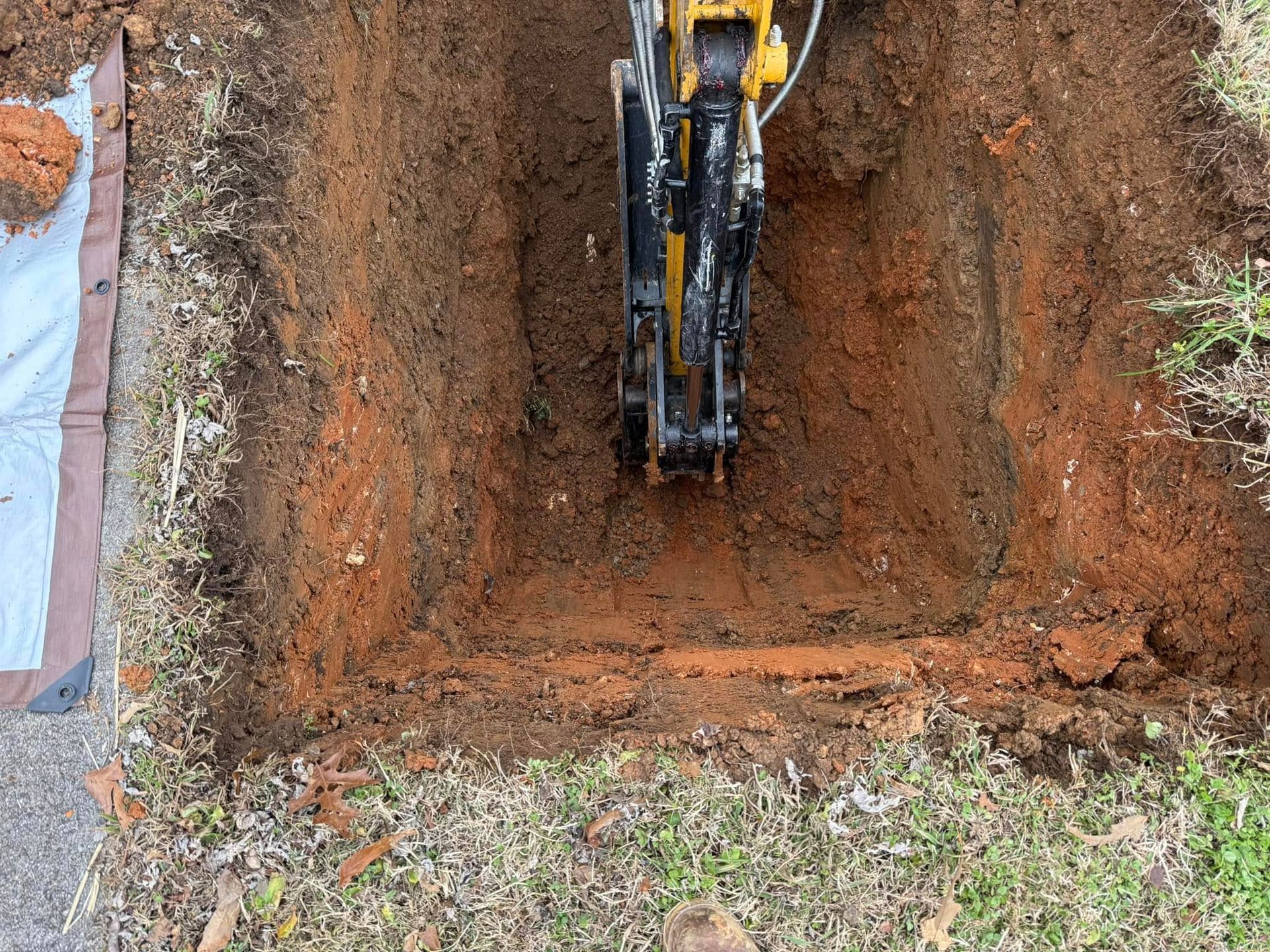
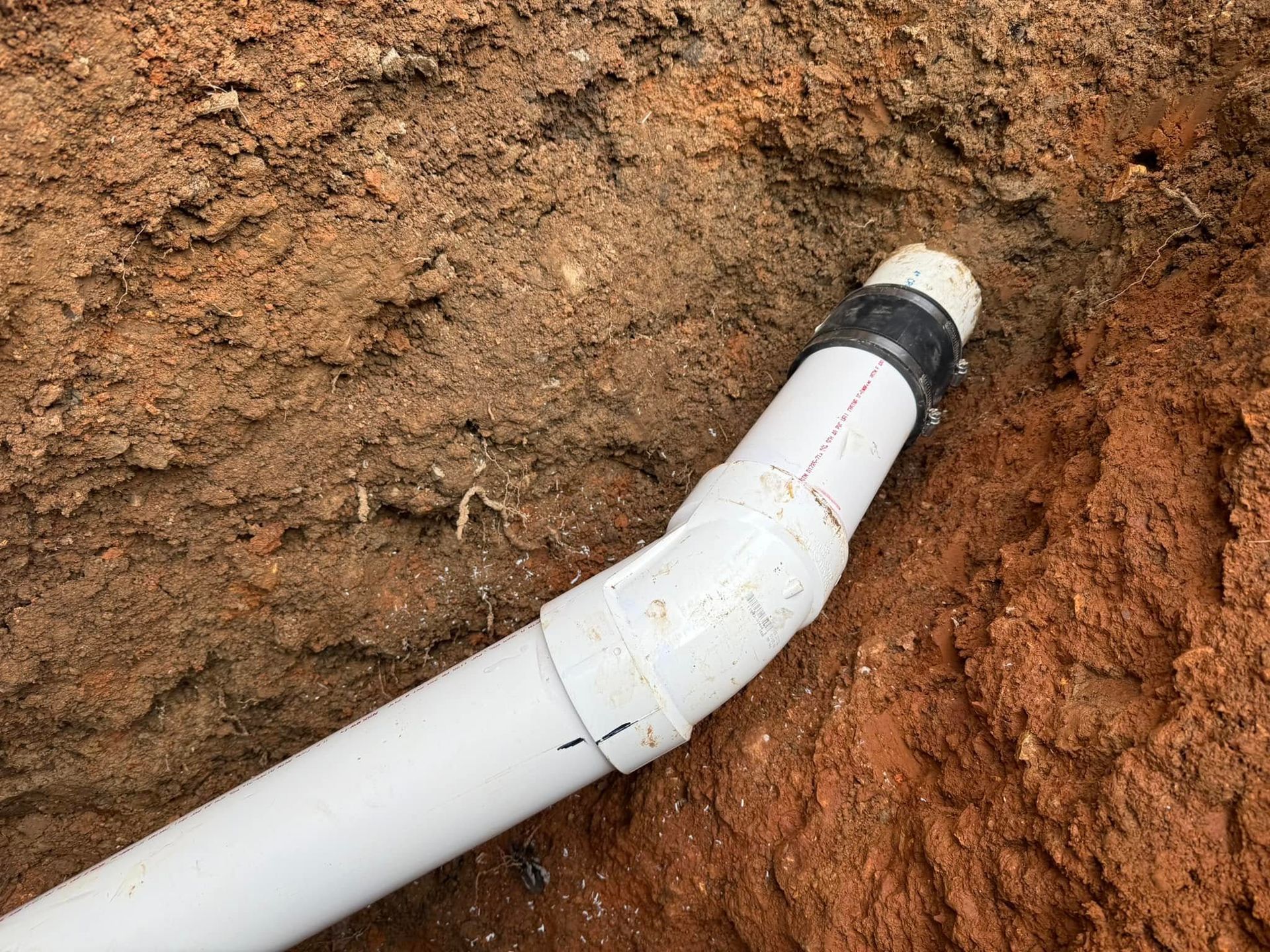
The process typically begins with underground pipe installation before the concrete slab is poured. This includes:
- Main water service line
- Sewer or septic connections
- Underground drain lines
Once the framing is complete, we move to the rough-in stage. During rough-in:
- Water supply lines are run through walls and ceilings
- Drain-waste-vent (DWV) systems are installed
- Stub-outs are positioned for future fixtures
This stage is inspected before insulation and drywall are installed.
Water Supply and Drain-Waste-Vent Systems
Two primary systems are installed:
- Water Supply System – Brings clean water into the building through pressurized lines.
- Drain-Waste-Vent System – Removes wastewater and allows air flow for proper drainage.
Proper venting is essential. Without ventilation, drains can become slow or create pressure imbalances.
Fixture Installation and Final Connections
After walls and finishes are complete, fixtures are installed. This includes:
- Toilets
- Sinks
- Showers and tubs
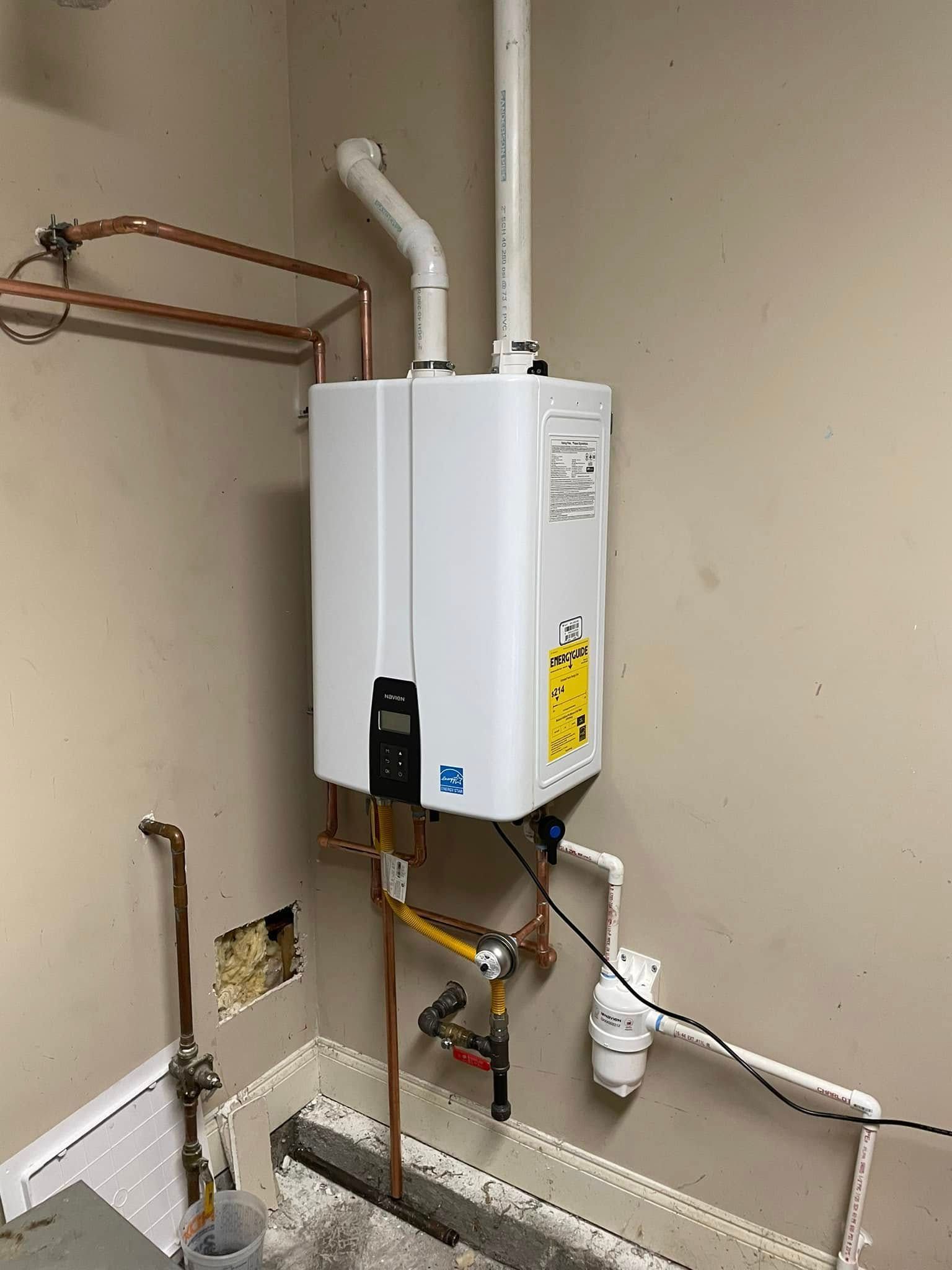
- Water heaters
- Dishwashers and washing machines
At this stage, we test the system for:
- Leaks
- Water pressure stability
- Proper drainage flow
Final inspections are completed before occupancy approval.
Plumbing Installation in Remodels
Remodel projects follow similar principles but involve added complexity.
Evaluating Existing Systems
Before modifying plumbing, we inspect:
- Existing pipe materials (copper, PEX, PVC, cast iron)
- Signs of corrosion or wear
- Drain capacity
- Vent placement
Older homes may require partial upgrades to meet modern building codes.
Modifying and Rerouting Pipes
Moving a sink or adding a bathroom often requires rerouting supply and drain lines. Structural constraints such as beams, slabs, or finished walls can limit routing options.
In some cases, accessing plumbing requires:
- Cutting into drywall
- Removing flooring
- Opening ceilings
This is why planning is critical in remodel plumbing installation.
Code Compliance and Upgrades
When remodeling, local codes may require certain upgrades. For example:
- Installing pressure-balancing shower valves
- Upgrading venting systems
- Replacing outdated pipe materials
Meeting current standards ensures safety and helps prevent future plumbing repair issues.
Inspections and Code Requirements in Knoxville, TN
All plumbing installation work must comply with local building codes in Knoxville. Inspections typically occur at:
- Underground installation stage
- Rough-in stage
- Final fixture connection stage
Inspectors verify:
- Proper pipe slope
- Secure connections
- Correct venting
- Code-compliant materials
These inspections protect property owners by ensuring systems are installed according to safety standards.
Residential vs Commercial Plumbing Installation
Residential and commercial plumbing installation share similar principles but differ in scale and regulatory requirements.
Residential Systems
Homes typically involve:
- Lower water demand
- Fewer fixtures
- Simpler drainage systems
The focus is on efficiency, reliability, and ease of maintenance.
Commercial Plumbing Installation
Commercial plumbing installation often includes:
- Larger water heaters or boiler systems
- Multiple restrooms
- Higher capacity drainage systems
- Specialized equipment connections
Commercial projects must meet additional regulations related to occupancy, public health, and accessibility.
Because of higher usage, system durability and redundancy are critical in commercial properties.
Common Risks and Considerations
While plumbing installation follows clear procedures, certain risks should be considered:
- Improper pipe slope causing drainage issues
- Inadequate venting leading to slow drains
- Incorrect pipe sizing reducing water pressure
- Failure to meet code requirements
- Hidden leaks behind finished walls
Careful inspection and testing reduce these risks, but property owners should understand that installation quality significantly affects long-term performance.
Conclusion
Plumbing installation in new construction and remodels involves coordinated planning, structured pipe installation, system testing, and inspection compliance. New construction allows for streamlined installation before finishes are applied, while remodels require careful integration with existing systems.
Understanding each phase—from design and rough-in to fixture connection and inspection—helps homeowners, builders, and property managers make informed decisions. When plumbing systems are installed with proper sizing, venting, and code compliance, they support safe water delivery, efficient drainage, and long-term reliability.
Book a Plumbing Installation Service
If you are planning new construction or remodeling in Knoxville, TN, we can provide clear guidance on plumbing installation requirements, timelines, and code considerations.
At
Old Town Plumbing, we focus on transparent communication and practical solutions tailored to residential and commercial properties. You may contact us at
(314) 363-6554 or email
molly.porfidio@gmail.com to discuss your project and understand the next steps.
Frequently Asked Questions
How long does plumbing installation take in new construction?
The timeline depends on the size of the building and coordination with other trades. Rough-in plumbing is typically completed before insulation and drywall, with final connections occurring near project completion.
Can existing pipes be reused during a remodel?
In some cases, yes. However, we evaluate pipe condition, material type, and code compliance before recommending reuse. Older or deteriorated pipes may require replacement.
What inspections are required for plumbing installation in Knoxville, TN?
Projects generally require inspections during underground installation, rough-in, and final stages. Local building authorities verify that work meets safety and code standards.
What is included in commercial plumbing installation?
Commercial plumbing installation may include large-capacity water heaters, multi-fixture restrooms, specialized drainage systems, and compliance with additional regulatory standards.
How can improper pipe installation affect a property?
Improper pipe installation can lead to leaks, drainage issues, low water pressure, and long-term structural damage. Correct sizing, venting, and secure connections are essential for system reliability.
Related Posts