What Causes Rusty or Brown Water in Your Home Plumbing System
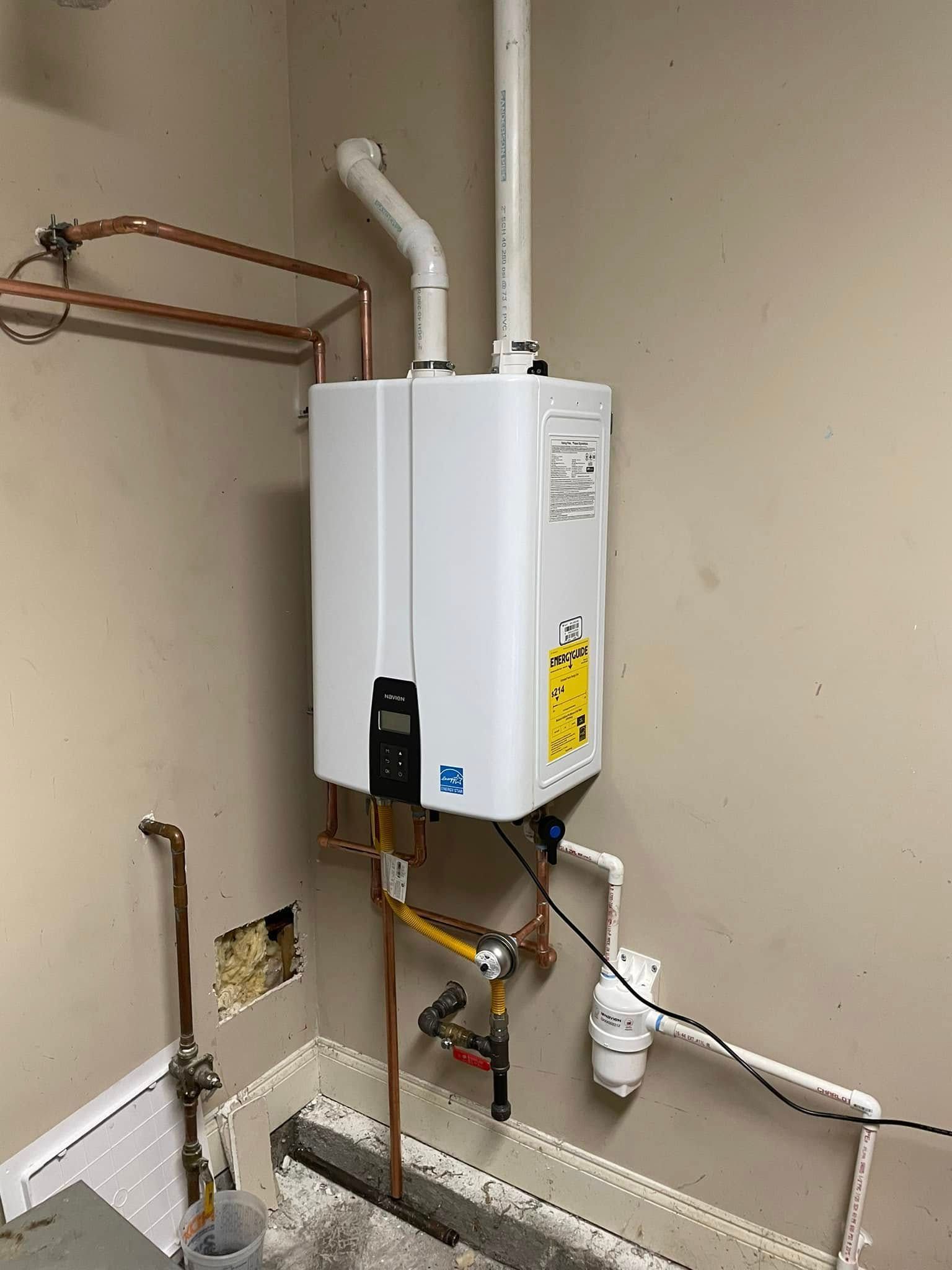
Table of Contents
- Introduction
- Understanding What Rusty or Brown Water Indicates
- Common Rusty Water Causes in a Home Plumbing System
- Pipe Corrosion and Aging Plumbing Materials
- Sediment Disturbance in Water Lines
- Water Heater Rust and Internal Tank Issues
- Municipal Water Supply Changes
- When Rusty or Brown Water Is More Noticeable
- Potential Impacts on Plumbing Performance and Household Use
- Why Professional Evaluation May Be Necessary
- Conclusion
- Book a Plumbing Repair
- Frequently Asked Questions
Key Takeaways
- Rusty or brown water is usually caused by corrosion, sediment, or water heater rust within the plumbing system.
- Aging pipes and disturbed sediment are common contributors in residential properties.
- Discoloration may be intermittent and linked to changes in water usage or supply conditions.
- While not always an emergency, ongoing discoloration can indicate underlying plumbing concerns.
- Understanding the cause helps homeowners decide when further evaluation is appropriate.
Introduction
Rusty or brown water in a home plumbing system is typically caused by pipe corrosion, sediment buildup, or water heater rust affecting water quality as it moves through the system. Homeowners often notice discoloration at taps or in appliances and may wonder about safety or the state of their pipes. Understanding the most common rusty water cause scenarios helps homeowners decide whether routine flushing or a professional plumbing evaluation is needed.
For guidance on maintaining your plumbing system and addressing issues, you can explore
plumbing repair services from
Old Town Plumbing.
Understanding What Rusty or Brown Water Indicates
When tap water appears brown, orange, or reddish, it often signals the presence of iron particles or sediment. These particles may originate from inside the home plumbing system or from the broader water supply before it enters the property.
In many cases, the discoloration is not constant. Water may run clear for long periods and then suddenly appear rusty after pipes have been unused, such as first thing in the morning or after returning from travel. This pattern can provide useful context when evaluating possible causes. For more on maintaining pipes and avoiding leaks, check out common plumbing repairs.
Common Rusty Water Causes in a Home Plumbing System
Pipe Corrosion and Aging Plumbing Materials
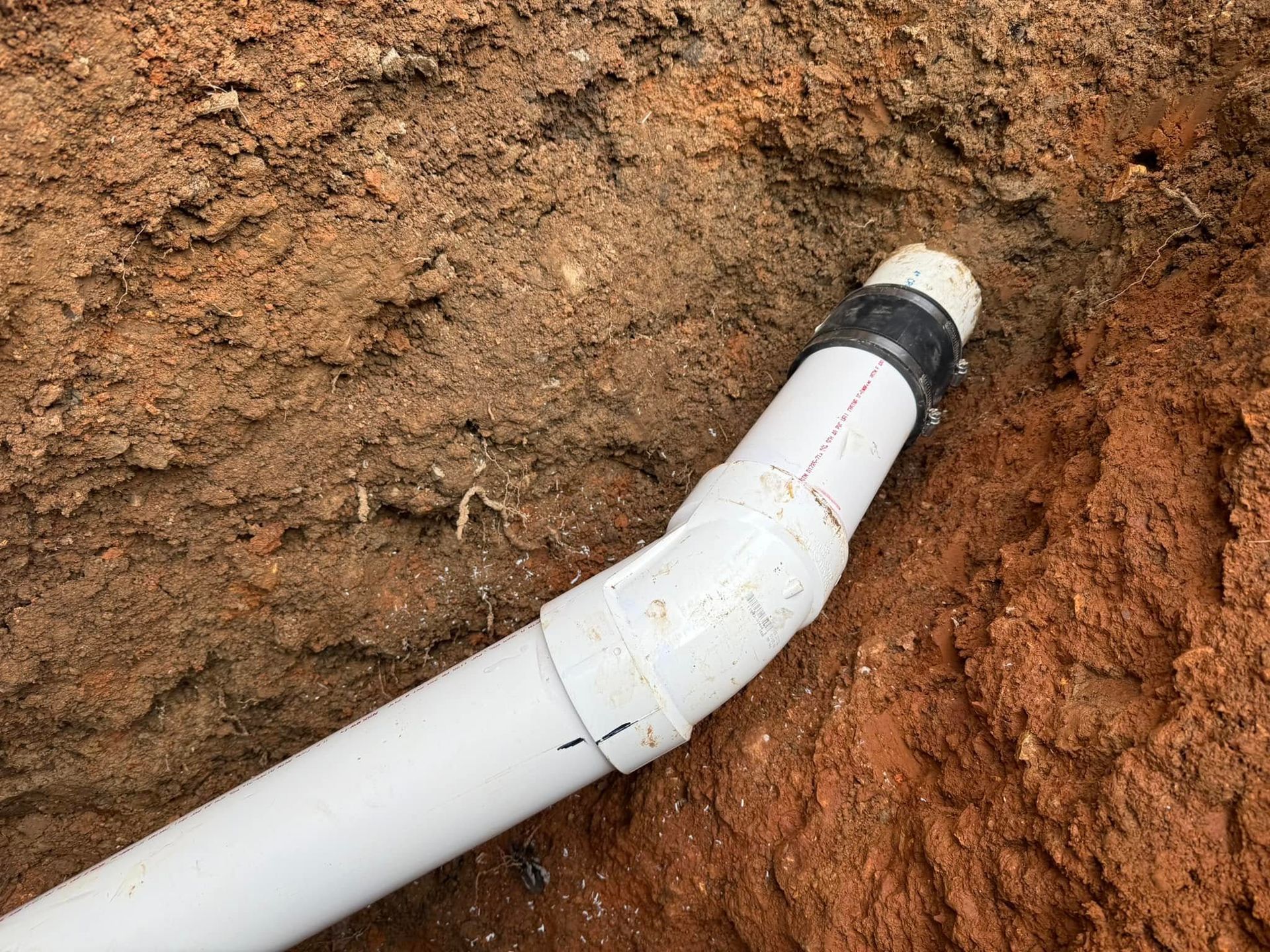
One of the most common rusty water cause factors is internal pipe corrosion. Older homes often have galvanized steel or cast-iron pipes, which are more prone to rust as they age. Over time, the protective coating inside these pipes breaks down, allowing iron to oxidize and flake into the water.
As water flows through corroded sections, it can pick up rust particles, leading to discoloration at the tap. This process tends to accelerate in areas with fluctuating water pressure or mineral-heavy water.
Understanding the type and age of pipes in a home provides important context for identifying likely causes. Learn more about professional plumbing repairs that address pipe corrosion.
Sediment Disturbance in Water Lines
Sediment naturally accumulates inside water lines, even in systems that are otherwise functioning correctly. This sediment may include sand, minerals, or iron particles that settle when water flow is minimal.
When water flow suddenly increases—during hydrant flushing, nearby construction, or after a plumbing repair—sediment can be disturbed, causing temporary rusty or brown water that clears after several minutes.
Repeated disturbances may suggest sediment buildup is widespread within the home plumbing system, indicating the need for a more thorough evaluation.
Water Heater Rust and Internal Tank Issues
Water heater rust is another frequent contributor to discolored water, particularly when the issue appears only in hot water. Traditional tank-style water heaters contain a sacrificial anode rod designed to corrode instead of the tank itself. Over time, this rod degrades.
Once the anode rod is depleted, the tank interior may rust, causing brown or orange discoloration at hot water taps. This issue may also coincide with changes in water temperature consistency or unusual noises from the heater.
Checking whether discoloration occurs in both hot and cold water can help narrow down whether the water heater rust is a contributing factor.
Municipal Water Supply Changes
Not all rusty water causes originate within the home. Municipal water systems periodically perform maintenance, adjust treatment processes, or respond to main breaks. These activities can temporarily introduce sediment or dislodge iron particles in supply lines.
In such cases, multiple homes in the same area may notice similar discoloration. Understanding whether neighbors experience similar conditions can help differentiate between supply-side and home-specific causes.
When Rusty or Brown Water Is More Noticeable
Discolored water often appears under specific conditions rather than continuously. Common situations include:
- After water has been sitting unused in pipes for several hours
- During seasonal changes that affect water demand
- Following nearby infrastructure work or repairs
- When hot water is used after long periods of inactivity
These patterns can indicate whether the issue is localized, temporary, or related to a specific component of the home plumbing system.
Potential Impacts on Plumbing Performance and Household Use
While rusty or brown water does not automatically indicate a health concern, it can affect daily household activities. Discolored water may stain sinks, tubs, laundry, and fixtures. Over time, sediment and corrosion can also contribute to reduced water pressure and uneven flow.
Ongoing corrosion can weaken pipes and fittings, and sediment buildup may strain valves, faucets, and appliances that rely on clean water flow. Understanding these limitations helps homeowners weigh practical implications rather than focusing solely on appearance.
Why Professional Evaluation May Be Necessary
Identifying the exact rusty water cause often requires a closer look at the plumbing system. Factors such as pipe material, water heater condition, and sediment levels are not always visible from the surface.
A professional evaluation can clarify whether discoloration is isolated or part of a broader pattern in the home plumbing system. For guidance on common issues and repair considerations.
Conclusion
Rusty or brown water in a home plumbing system is most often linked to corrosion, sediment disturbance, or water heater rust. These conditions may appear intermittently and can stem from aging materials, changes in water flow, or supply-side factors. By understanding how and why discoloration occurs, homeowners can make informed decisions about monitoring and maintaining their plumbing system.
Book a Plumbing Service
For homeowners in Knoxville, TN seeking professional insight into plumbing-related water discoloration, Old Town Plumbing provides reliable evaluations and general guidance.
Send us an email at
molly.porfidio@gmail.com or call us at
(314) 363-6554 to learn more about our services.
Frequently Asked Questions
Is rusty or brown water always coming from inside the home?
Not always. While internal pipe corrosion and water heater rust are common, municipal supply changes can also temporarily affect water color.
Does rusty water mean the water is unsafe to use?
Discoloration alone does not determine safety. However, it may affect taste, staining, and appliance performance, which is why understanding the cause matters.
Why does the water look rusty only when using hot water?
This often points to water heater rust or sediment inside the heater tank, especially in older units.
Can sediment cause water discoloration even in newer homes?
Yes. Sediment can enter newer systems from the water supply or during maintenance activities, even if pipes are relatively new.
How long should I flush the water if it appears brown?
Flushing for several minutes may clear temporary sediment, but recurring discoloration suggests a need for further evaluation.
Is pipe corrosion more common in older homes?
Older plumbing materials, such as galvanized steel, are more prone to corrosion, making age a relevant factor.
When should discoloration be checked by a professional?
If rusty or brown water persists, worsens, or affects multiple fixtures consistently, a professional review can help clarify the underlying factors.
Related Posts