What to Consider Before Installing a Tankless Water Heater in Your Home
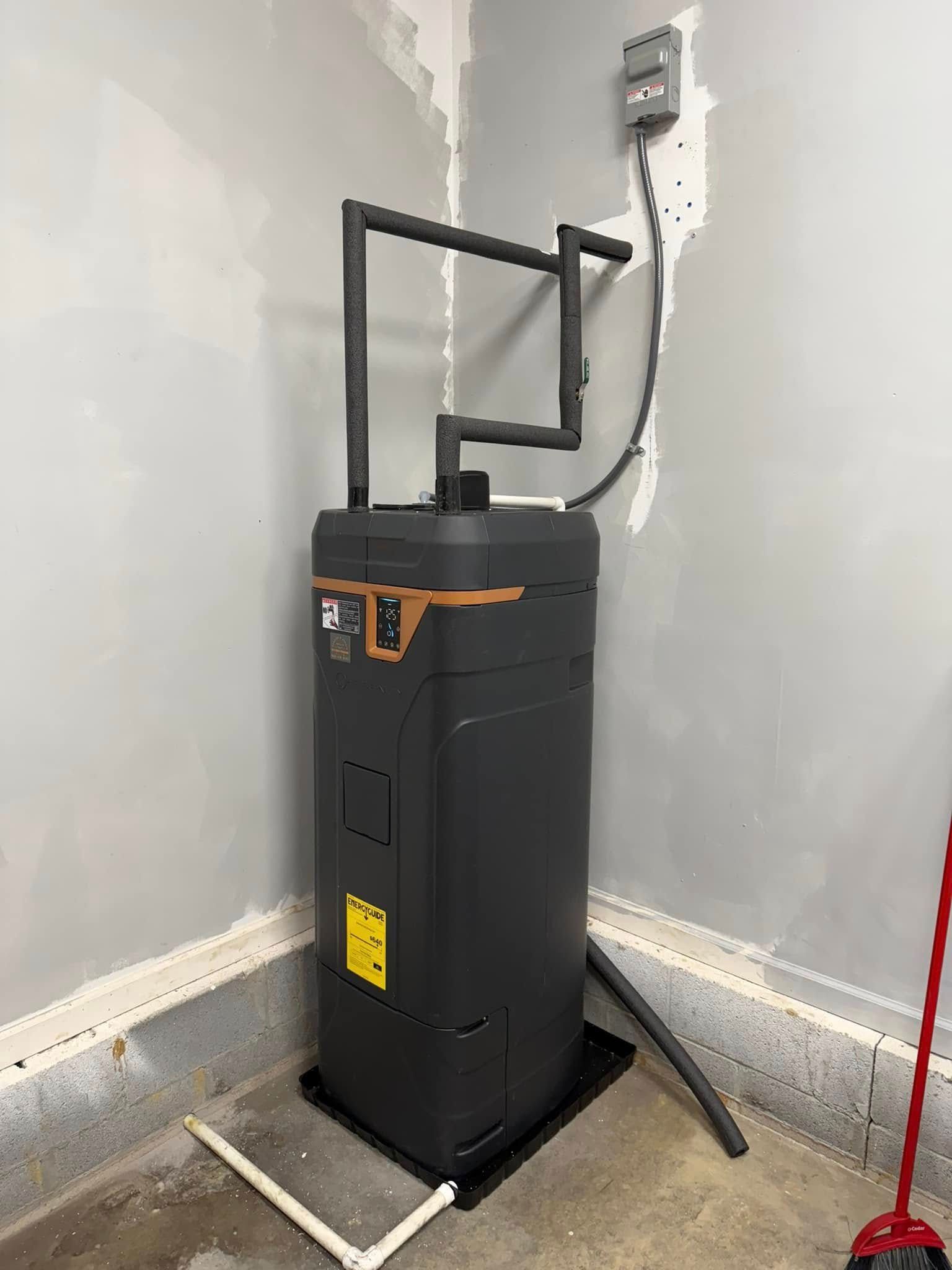
Table of Contents
- How a Tankless Water Heater Works
- Figuring Out the Right Size for Your Home
- Key Tankless Installation Requirements
- Energy Efficiency and Cost Insights
- Maintaining Your Tankless System
- Common Installation Challenges and How to Avoid Them
- Making the Right Choice for Your Home
Key Takeaways
- A tankless water heater offers endless hot water and improved energy efficiency.
- Correct sizing is essential to meet peak household demand.
- Meeting tankless installation requirements ensures safety and long-term performance.
- While upfront costs are higher, long-term savings and system longevity often outweigh the initial investment.
- Routine maintenance prolongs system life and ensures consistent hot water.
How a Tankless Water Heater Works
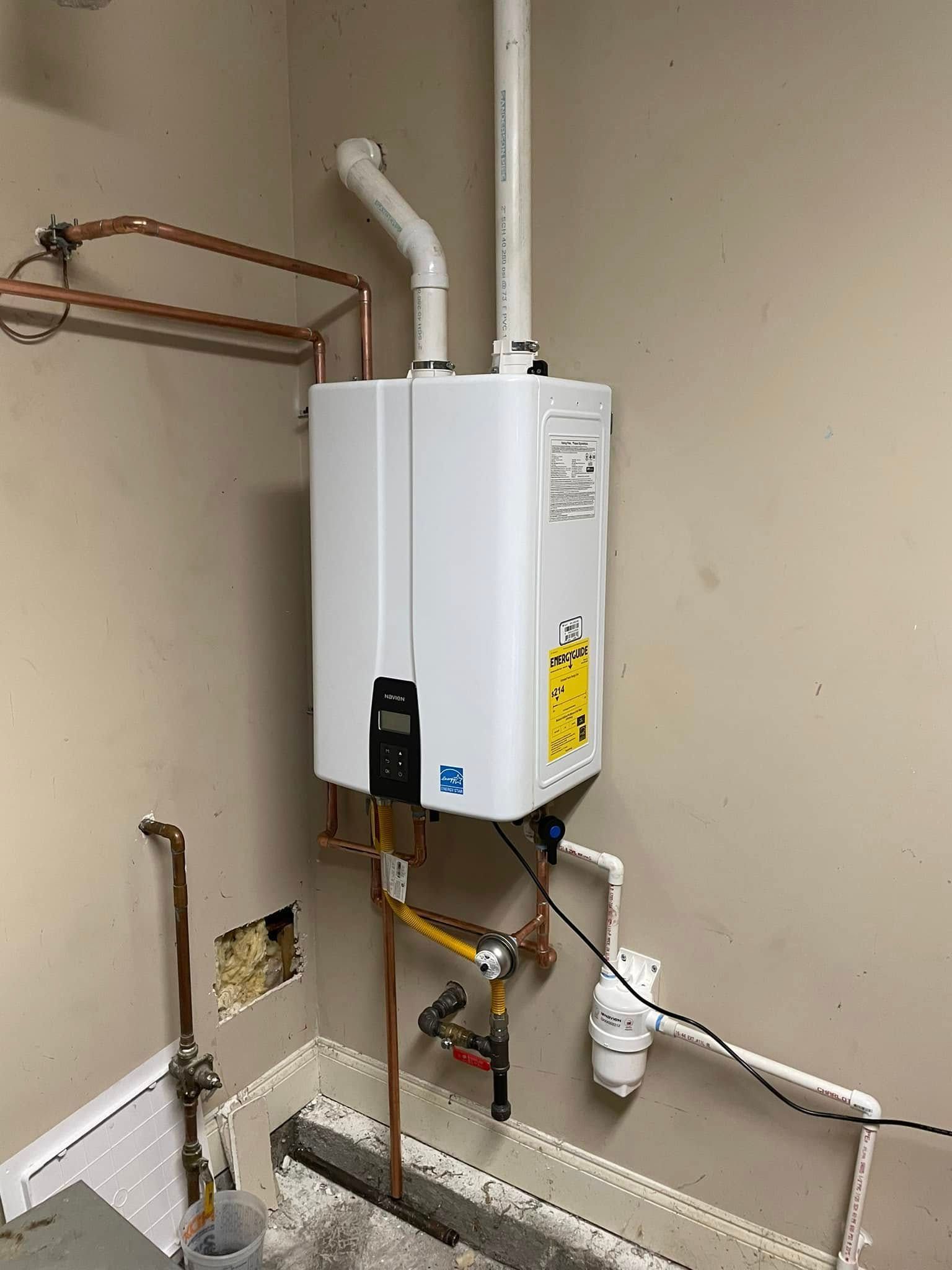
Unlike traditional water heaters that store hot water in a tank, a tankless water heater heats water on demand. When you turn on a faucet, water flows through the unit and is heated instantly. This eliminates the need to wait for a tank to refill, reduces energy waste, and keeps showers consistent—even during back-to-back usage.
From our experience installing these systems in older homes, we’ve noticed families especially appreciate not running out of hot water when everyone is trying to get ready in the morning. One household we worked with had three teenagers, two showers, a dishwasher, and a washing machine all running around the same time. With their new
tankless installation, they finally stopped timing showers or running appliances separately. You can also learn how these compare to traditional systems in our post on
tankless vs traditional water heaters.
Figuring Out the Right Size for Your Home
Sizing is critical for a successful tankless installation. If the unit is too small, water temperature fluctuates. If it’s too large, you’re overspending on equipment you don’t need.
We look at two key factors:
- Flow rate (GPM): This measures how many gallons per minute the system can heat. To calculate your household’s peak demand, add up the flow rates of fixtures and appliances likely to run simultaneously. For example, a shower uses around 2.5 GPM, a dishwasher 1.5 GPM, and a washing machine 2 GPM.
- Temperature rise: This is the difference between the incoming water temperature and the desired output. Cold climates require a unit with higher heating capacity to maintain a comfortable temperature.
We’ve encountered homes where a small electric tankless water heater worked well for a single bathroom but failed when multiple bathrooms or appliances ran at the same time. That’s why we always perform a detailed assessment before recommending a unit.
Key Tankless Installation Requirements
A tankless water heater requires more than simply swapping out an old tank. Proper tankless installation requirements are crucial for safety, efficiency, and longevity.
- Electrical or gas supply: Electric units need sufficient amperage in your electrical panel. Gas units must have properly sized gas lines. In older homes, we sometimes need to upgrade electrical panels or gas lines to support the new system.
- Ventilation: Gas models must vent exhaust safely outside the home. Incorrect venting can create carbon monoxide hazards or reduce efficiency. We’ve rerouted venting in homes with limited space to ensure compliance and safety.
- Plumbing compatibility: Your pipes must handle the required flow and pressure. Older plumbing may need upgrades to avoid leaks or low pressure.
- Professional installation: While some DIY enthusiasts enjoy tinkering, tankless installation requirements are complex. Hiring a licensed plumber ensures the system meets code, functions properly, and avoids costly mistakes.
Skipping these steps can lead to inconsistent temperatures, frequent repairs, or even safety risks.
Energy Efficiency and Cost Insights
One of the biggest selling points of a tankless water heater is its energy efficiency. Traditional tank water heaters maintain a reservoir of hot water, wasting energy keeping it warm even when not in use. Tankless units heat water only when needed, which can significantly lower energy bills over time.
While the upfront cost of tankless installation is higher than a traditional tank heater, we often remind homeowners to consider the long-term savings. Over the system’s 20+ year lifespan, reduced energy usage, fewer repairs, and longer durability often outweigh the initial investment.
Some clients ask whether gas or electric is better. Gas units typically handle higher flow rates and are slightly cheaper to operate, while electric units are easier to install and don’t require venting. We guide homeowners through the pros and cons, so they can choose the best system for their home, budget, and hot water needs.
Maintaining Your Tankless System
Proper maintenance is key to maximizing efficiency and lifespan. Without it, mineral buildup, leaks, and efficiency loss can occur.
- Annual flushing: Especially in areas with hard water, we recommend flushing the system once a year to remove mineral deposits.
- Vent inspection: Gas models should have vents checked and cleaned regularly to ensure proper airflow.
- Pipe and connection checks: Regular inspections help catch leaks or corrosion early, preventing costly repairs.
We’ve seen systems last 20 years or more with proper care. Some homeowners are surprised by how easy routine maintenance can be when it’s scheduled and done professionally. It keeps hot water consistent and avoids mid-winter surprises.
Common Installation Challenges and How to Avoid Them
Despite the advantages, tankless water heaters can present challenges during installation. Understanding these issues ahead of time helps avoid surprises:
- Upgrading gas or electrical lines: Older homes may not have the necessary infrastructure, requiring upgrades before installation.
- Limited space: Gas units require proper venting, which can be tricky in confined spaces. We often create custom venting solutions to make it work safely.
- High upfront cost: While the long-term savings are real, some homeowners hesitate at the initial price. We provide detailed estimates to help them plan accordingly.
Planning, professional assessment, and clear communication with your installer can prevent these common problems.
Making the Right Choice for Your Home
Choosing a tankless water heater isn’t just about picking the newest gadget—it’s about understanding your household’s needs, the home’s infrastructure, and your long-term goals. By considering sizing, tankless installation requirements, energy efficiency, and maintenance needs, homeowners can enjoy reliable, consistent hot water while saving energy and space.
We’ve worked with families upgrading bathrooms, older homes with outdated plumbing, and even budget-conscious homeowners looking for a long-term solution. Each installation is different, but the results are always satisfying: no more cold showers, improved water flow, and peace of mind knowing the system will last.
If you’re ready to explore a tankless water heater for your home,
Old Town Plumbing is here to guide you. Our team provides personalized assessments, expert tankless installation, and maintenance tips to ensure your system performs flawlessly. Contact us today at
(314) 363-6554 or
molly.porfidio@gmail.com, and let us help you enjoy endless hot water while protecting your home’s plumbing for years to come.
Frequently Asked Questions
What is a tankless water heater?
We install tankless water heaters that heat water on demand, eliminating the need for a storage tank. This gives our homes consistent hot water, saves energy, and reduces utility costs compared to traditional water heaters.
What are the main benefits of tankless installation?
With tankless installation, we enjoy endless hot water, improved energy efficiency, and more space since there’s no bulky tank. It also lowers long-term costs and provides a reliable system for our household needs.
What are the key tankless installation requirements?
We ensure proper electrical or gas supply, adequate ventilation, and compatible plumbing. Meeting these tankless installation requirements keeps our system safe, efficient, and long-lasting.
How do we maintain a tankless water heater?
We recommend annual flushing, vent inspections for gas units, and regular pipe checks. Following these steps keeps our tankless water heater efficient, prevents mineral buildup, and extends its lifespan.
Can a tankless water heater replace a traditional tank system in our home?
Yes! After assessing our household’s flow rate and temperature needs, we can replace a traditional water heater with a tankless system for reliable hot water, energy savings, and a smaller footprint.
Related Posts